
Disturbed Houses III
by Kat Meads and Philip Rosenthal
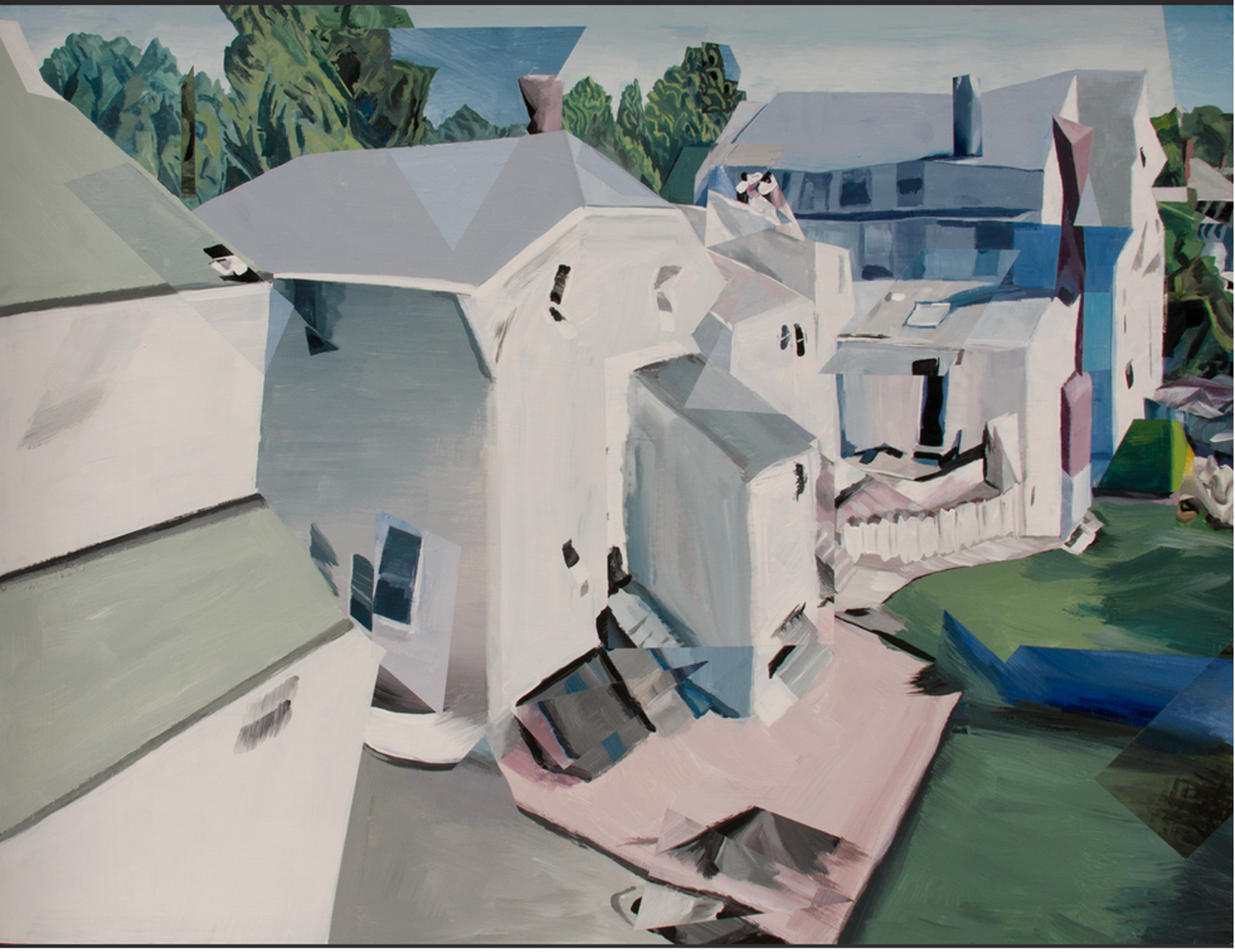
Sandy and Tommy long ago agreed: best to live in conjoined—but separate—dwellings. So much more civilized, so much more transactionally convenient. Companionship could be had, if wanted. Beds could be shared, if desired. Otherwise, between them: a welcome territorial breach. No doubt you’ve jumped to the conclusion that their tastes in décor differed, that décor represented the primary bicker, the driving force for divided living. If you also jumped to the conclusion that it was Tommy who went for the unfussily spare, shame on you. It was Sandy who couldn’t bear a flounce or a curlicue. Chintz set her screaming. Something like twice a week—occasionally more frequently—Tommy texted before leaving work his intention to bring home takeout. Would Sandy like to join him at the picnic table and share? Unless beset by migraine, Sandy, who utterly despised cooking, agreed. For an hour or so they caught up on all that needed catching up on—joint bills that needed paying, old friends who needed consoling—cordial to the max, content as content could be. You could not have found two people better at miming closeness. You could not have found two houses so ably following suit.
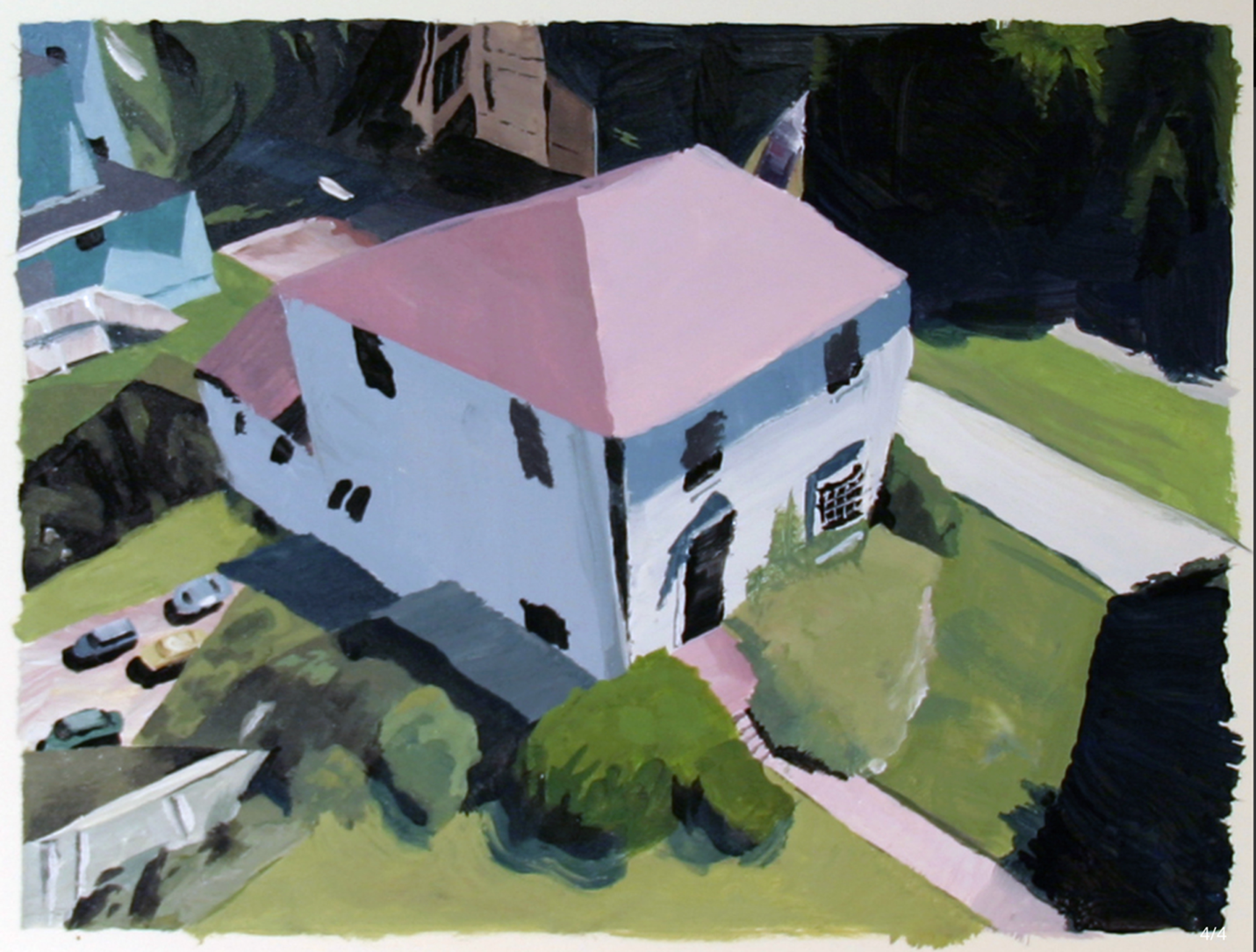
Stately houses/Sunday brunches. It’s a thing. Rounded up and accounted for: children, grandchildren, any relative of the extended family still mobile at noon. The above stately house previously sheltered a family of six, four of whom have graduated into adulthood and gone to live in less stately houses elsewhere. What might appear rebellion is very probably not. Very probably economics is the root cause of their non-stately selections. Among other expenses, stately houses cost a fortune to heat. As can be witnessed, four returnees have parked their silver, gray, yellow and green cars in alignment, complementing the harmonies of their former stately home. Whether the alignment is inadvertent or required is unanswerable. Overly sensitive burglar alarms also prevent us from gawping through windows at furnishings, floor plans and the family gathered, once again reducing us to rank speculation regarding brunch menus, belches, yawns, which newest-generation sprite, unfazed by stately house standards, smears butter and knocks over his milk. It would be fun to know who owns the green car parked closest to the street (i.e., escape). Fun, though not essential. Since we’re making shit up, we’re fine with calling her Janice.
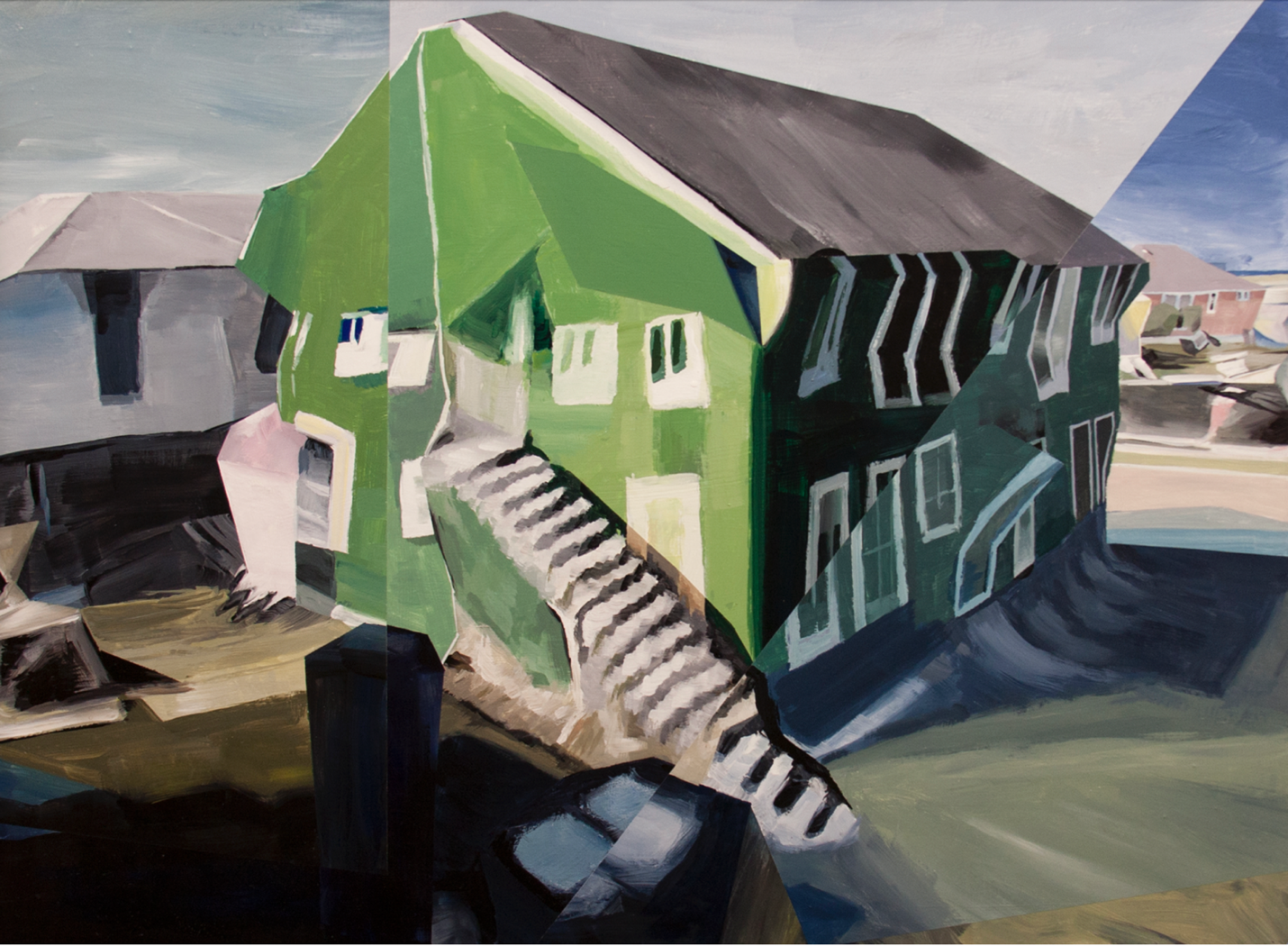
There was an old man who lived in a house.
He had no children, had nothing to do.
His neighbors despised him and called him a louse.
For he knew their secrets and they knew he knew.
What isn’t a secret: any fool (old or young) running up canted stairs sans railing is asking for it. But let’s say, for the sake of argument, it isn’t an accident. Let’s say one of the old man’s fed-up neighbors decides to take action, eliminate the threat. Murder plots in the millions rely on someone shoving someone else down the stairs. As a weapon, stairs are a no-brainer. A 24/7 ready and willing accomplice. Should the case go to trial, Exhibit A will be a blown-up photo of the inherently treacherous stairs, no foul play necessary. Jury deliberations? Brief. Delivering the verdict the foreman will—exactly like in the movies—rise, cough, confirm to the courtroom that the murdering neighbor has beaten the rap. From the courtroom steps, Juror #9 will share her belief that the victim took a tumble “all by himself” because he was an old man who had nothing to do except loiter on a set of more precarious steps, spying on his neighbors. Spying on neighbors, collecting secrets: pastimes known to end badly for someone, though not invariably the spy.
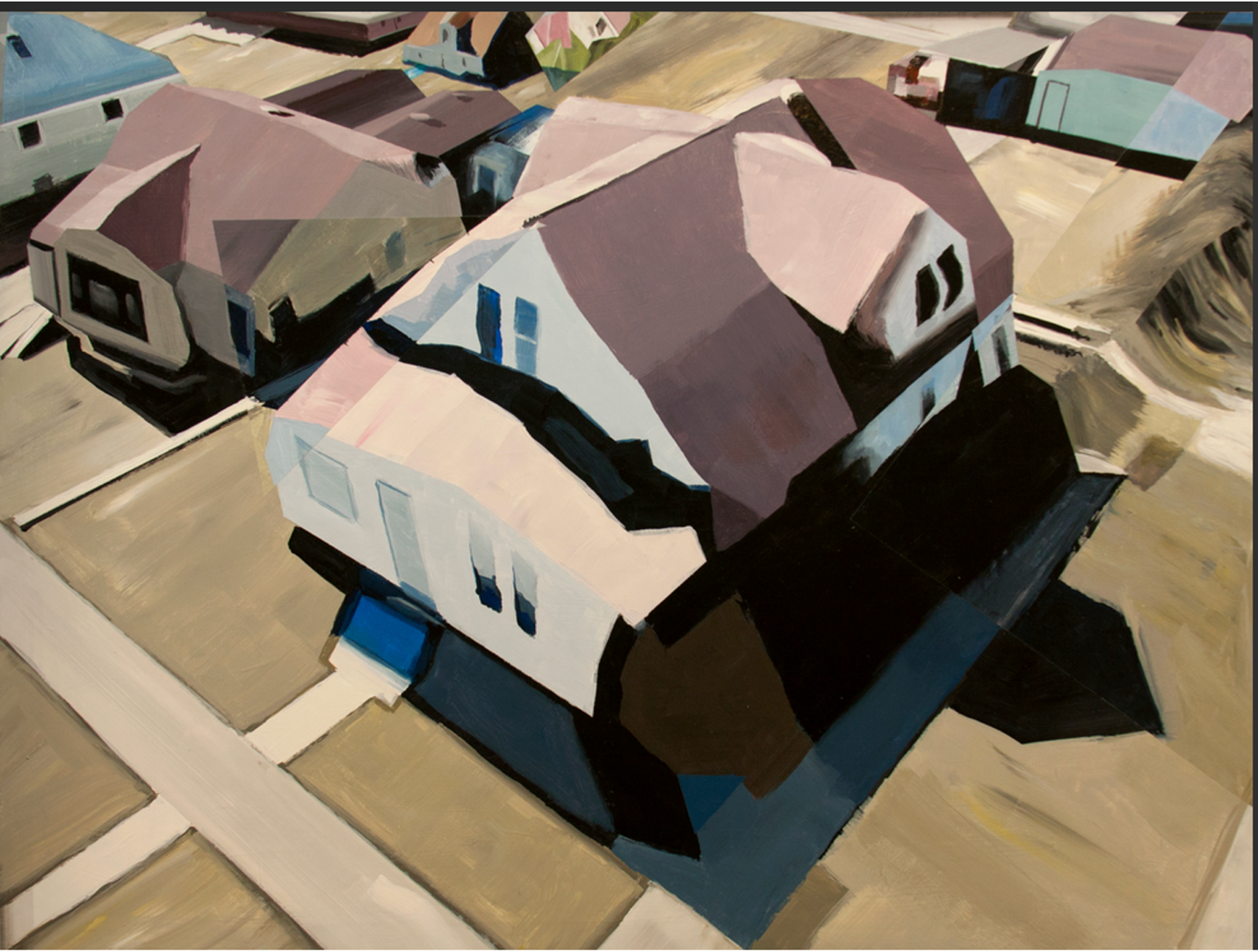
What this house has endured! Fires, tornados, floods, arson, satanic rituals. And don’t get us started on the gophers. Because of those ravenous fiends, anyone wobbly or steady-on could break an ankle simply crossing the yard. Perhaps this is where we should pause and reflect that survival is seldom a graceful or gracious art for houses or anything else. A “bleak yard,” you say? Maybe so, maybe so, but bear in mind yard maintenance takes commitment, energy, faith in the coming of a kinder day. Moreover: what better way to attract unwanted attention than to lay fresh sod? Almost certainly a gaggle of local gearheads would instantly show up and muck up the new green with wheelies. Given that human nature and Mother Nature share the same destruct-o kink, a house versed in calamity soon learns to “leave well enough alone.” Naturally the backyard shed faces its own issues of preservation and relevancy. At this historical moment, no one who lives in the house can accurately say what currently lives on in the shed past its expiration date. A dumping zone for the unloved, bashed and broken, its hazardous bits and bobs break skin, require stitches and tetanus shots. Both those felled and spared by gopher holes take care to keep their distance. Such shunning aside, the shed remains standing. As, for now, does the house.
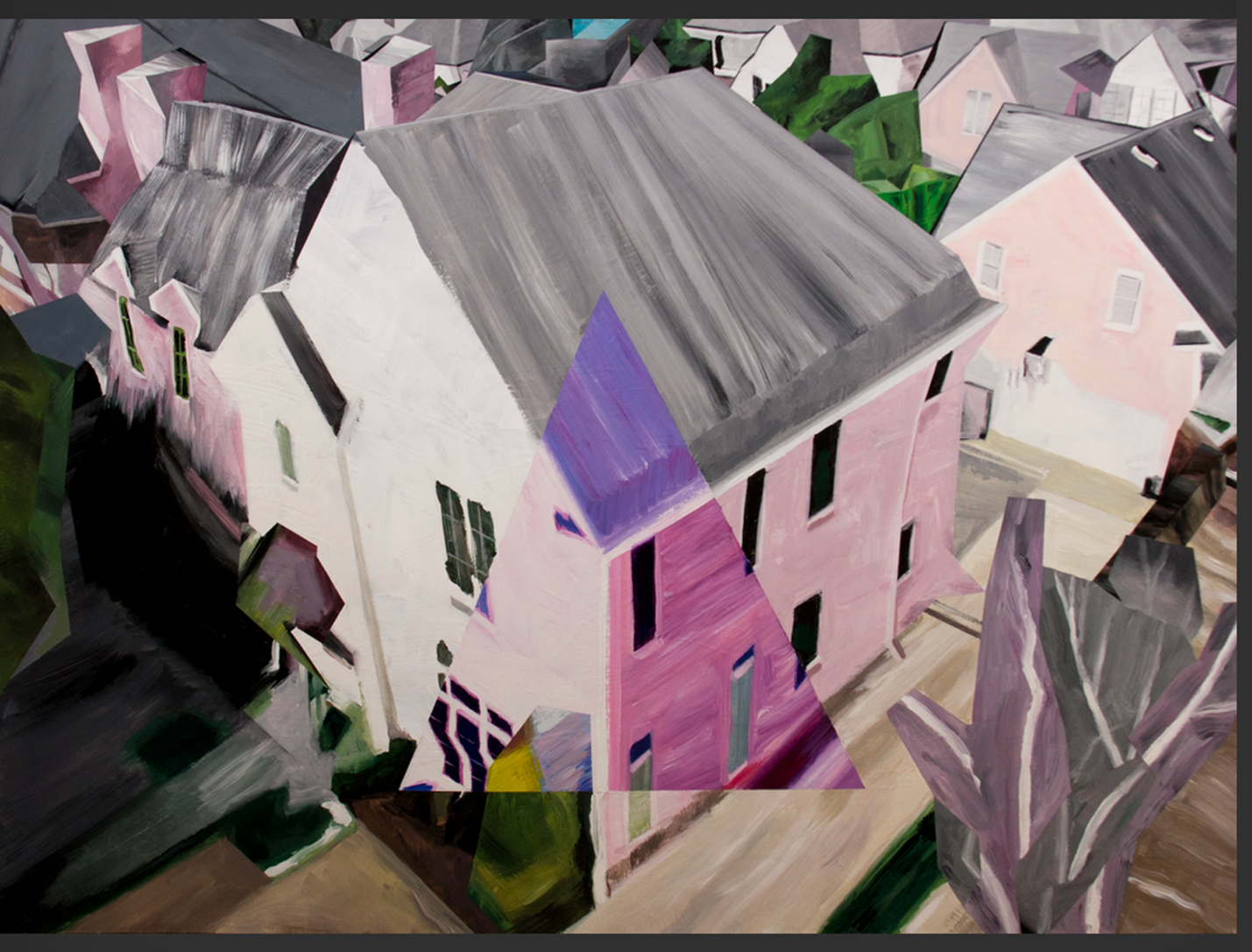
Why the pyramid had chosen to apply itself to this corner of this house aroused neighborhood curiosity of the most tenacious sort. Theories as to why it had shown up in the first place ranged from scattershot to intriguing. Most winning confection: the tree in the adjacent lot had summoned it with its élan and sculptural beauty. In point of fact no non-extraterrestrial had the foggiest idea why the pyramid had chosen the house it chose or, further, chose to remain there, drawing visitors from as far afield as Iceland and the People’s Republic of China along with local tour guides and asthmatics seeking cure. What once had excited neighborly awe soon aroused resentment and steaming jealousy. A coalition of pyramid-lacking houseowners began to complain about traffic, trash and the influx of oversharing influencers continuously filming themselves in the middle of the street. According to the badmouthers, there was nothing chic, unusual or structurally marvelous about the favored house. Zoom in close enough and even the paint job looked subpar. From outside perspective the pyramid magnified; inside, it blocked the light. By means of telepathy, the sanest member of the sun-blocked household advised the others to hold tight. Novelty, for all its thrills, was a come and go commodity; they wouldn’t suffer pyramid-imposed stress and scrutiny forever. But let’s be frank: that old saw gets trotted out when things are at their beastliest. A minute can seem forever. Worse, it can be.
Kat Meads is the author of more than twenty books of poetry and prose, including, most recently, the novelette While Visiting Babette. Her short fiction and indeterminate prose have appeared previously in, among others, Maudlin House, Your Impossible Voice and Gone Lawn and was cited on Wigleaf’s 2025 Top 50 list. (katmeads.com) Philip Rosenthal has shown his paintings in New York, Boston, Washington, D.C., Los Angeles and San Francisco. He has been awarded six California Arts Council grants and has been an artist in residence at Yaddo and the Fine Arts Work Center in Provincetown. He lives in California. (philiprosenthalpaintings.com)